Berberine And Glucose Metabolism: What The Research Shows
Berberine is a bioactive plant compound with an unusually substantial research base for a botanical, tested in numerous clinical trials examining its effect on glucose metabolism.
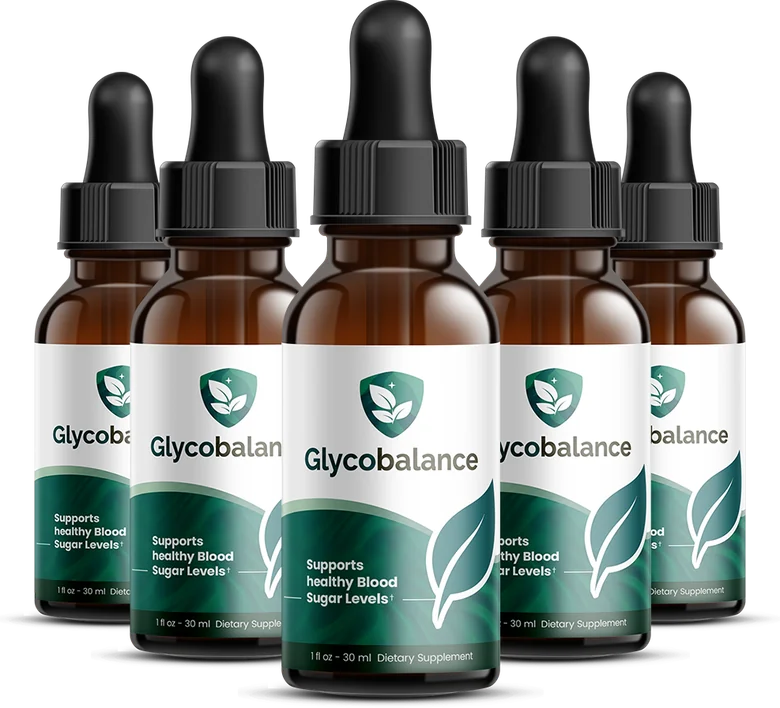
It is the anchor ingredient in GlycoBalance's formula, and arguably the single ingredient here with the clearest research association.
Why Berberine stands out among supplement ingredients
Most botanical supplement ingredients rest on preliminary or purely traditional evidence. Berberine is a genuine exception, having been examined in numerous randomized controlled trials and several meta-analyses. It is not a vitamin or mineral your body requires — it is a bioactive compound extracted from plants like goldenseal and barberry.
The mechanism: AMPK activation
Berberine's primary studied mechanism involves activating an enzyme called AMPK, sometimes described as a cellular energy sensor. Activating AMPK is associated with reduced glucose production in the liver and improved glucose uptake in cells. Research on this mechanism is indexed on PubMed.
Being precise about what clinical trials show
A genuine interaction to know
Applying this to GlycoBalance
Berberine Extract is the anchor ingredient in GlycoBalance's six-ingredient formula, and it is genuinely the strongest-evidenced choice available in this category. As with the rest of the formula, the exact milligram amount per dose is not disclosed, which limits how directly it can be compared to the clinical trial doses referenced above.